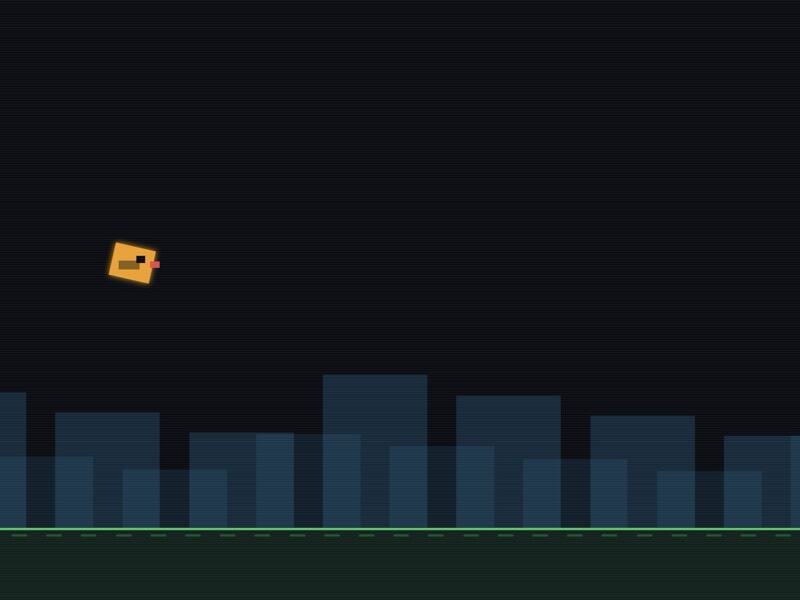
Pixel Runner
Sprint across neon rooftops and survive the endless skyline.
4.6184.3K plays
Loading game…
Pixel Runner · The game is starting in a moment.
About this game
Pixel Runner is an endless one-button runner wrapped in chunky 8-bit pixels. Your character never stops moving, so every jump counts against a stream of obstacles that gets faster the longer you stay alive. A double jump gives you one extra chance mid-air, but mistime it and the run is over. Short sessions, a rising speed curve and a score that is pure distance make it an easy pick for a quick break.
How to play
- 1Tap, click or press SPACE to jump.
- 2Press again while airborne for a double jump.
- 3Clear the obstacles — the run ends on impact.
Controls: Single player · Landscape
Tips and strategy
- Treat the double jump as a rescue, not a habit. It is the only correction you get before you land, so spend it on the obstacle you misread rather than on every jump.
- Short taps keep you low and land you sooner, which buys back the reaction time the rising speed takes away. Height is the thing you are spending.
- Watch the gap between obstacles, not the character. At full speed your avatar crosses the screen faster than you can react to it.
- The first thirty seconds are for finding a rhythm and everything after that is for holding it. Panic-tapping early is what ends most runs.
Game details
- Developer
- Pixel Forge
- Released
- Feb 11, 2026
- Updated
- Aug 19, 2026
- Rating
- 4.6 / 5
- Plays
- 184.3K
- Players
- Single player
Tags
Frequently asked questions
- Is Pixel Runner free to play?
- Yes. Pixel Runner runs in your browser and costs nothing — there is no download and no account to create.
- Can I play Pixel Runner on my phone?
- Yes. It is built for landscape play and the entire game is one tap, so a phone or tablet works as well as a desktop keyboard.
- How do I get a higher score in Pixel Runner?
- Your score is pure distance, so surviving longer is the only way up. Because the double jump is your single mid-air correction, the highest scores come from saving it for a mistake rather than using it on every gap.
You might also like