Explainer
Puzzle Game Genres, Explained: Match-3, Bubble, Sorting, Merge, Logic
A genre label tells you what you do with your hands, not what the game looks like. Here is the difference between five labels that get used interchangeably.
Updated 2026年11月2日 · Written by the Arcadium editorial team
In short
Puzzle genres are defined by the mechanic, not the theme. Match-3 asks you to clear groups of identical tiles, bubble shooters ask you to aim and pop clusters, sorting games ask you to route items into the right container, merge games ask you to combine two of a kind into a better one, and logic games ask you to work out a rule you were not told. Speed matters in the first two, planning in the middle two, and patience in the last.
Why the labels get confused
"Puzzle" describes a feeling, not a mechanic: it means the game rewards thinking rather than reflexes. Underneath that, the actual interaction is completely different — swiping a match-3 board and deducing a sudoku cell share a mood and nothing else.
The practical consequence is that picking a puzzle game by its theme (candy, fruit, jewels, blocks) tells you very little. Picking it by mechanic tells you almost everything about whether you will enjoy the next ten minutes.
Matching: clear groups of identical tiles
You swap or tap tiles to form groups of three or more of the same kind, and the group disappears. Cascades — where cleared tiles fall and form new groups — are the genre's signature, and most of the depth comes from setting them up deliberately rather than taking what the board offers.
We carry 18 games tagged Matching. They range from timed score-chasers to untimed boards, so the label alone does not tell you whether the game is relaxing or frantic; the presence of a timer does.
Bubble shooter: aim, bank, pop
A projectile genre wearing a puzzle hat. You aim a bubble at a cluster of the same colour, and clearing a group brings the ceiling down on everything it was holding up. Bank shots off the walls are where the skill lives.
We carry 9 bubble shooters. Most are untimed and forgiving for the first few levels, then introduce a descending ceiling that turns the same board into a countdown.
Sorting: put every item in the right place
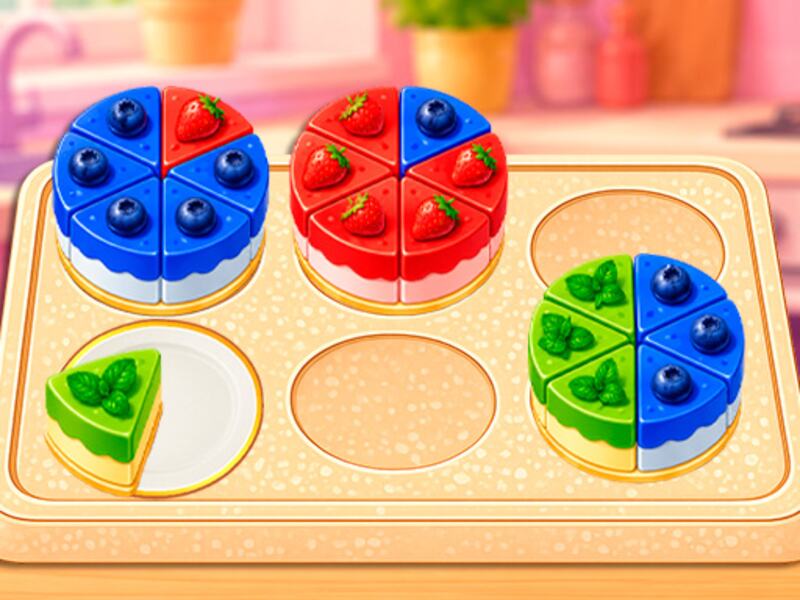
Sorting games give you a set of containers and a set of items that belong in them, and the puzzle is the order of transfer — because the obvious move usually fills the container you need next. Screw, bolt, water and ball-sorting variants are all the same mechanic with different art.
We carry 9 games tagged Sorting. They are the most methodical games in the catalogue: almost no luck, very little speed, and a clear moment where a scrambled board becomes solvable.
Merge: combine two of a kind into a better one
Merge games start with a nearly empty board and a stream of low-level pieces. Two identical pieces combine into the next tier up, and the board fills faster than you can clear it unless you plan the space you leave behind.
It is the smallest shelf here — 4 games — because a good merge game needs a long upgrade chain to be worth playing, and most builds stop at four tiers. When it works, it is the most compulsive mechanic of the five.
Logic and deduction: work out a rule you were not told
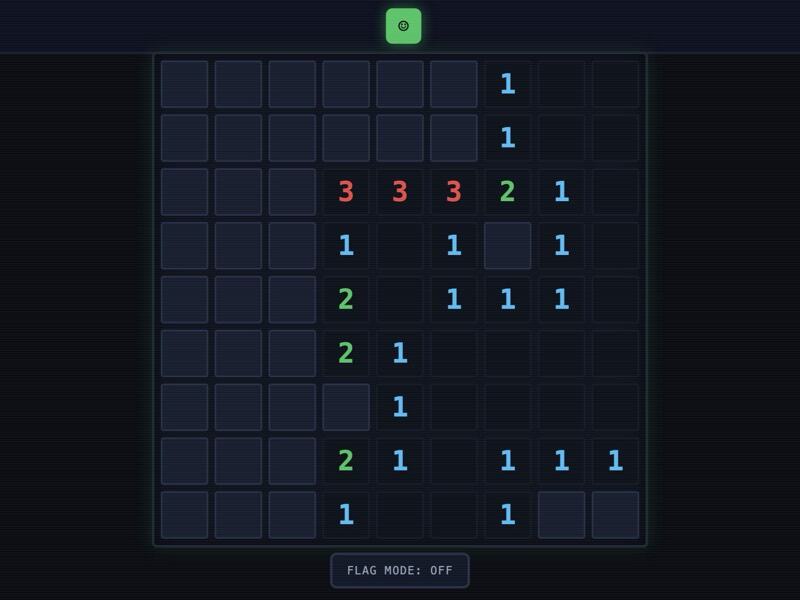
The largest shelf by a distance: 40 games carry the Logic tag. These are the puzzles where the rules are consistent but unstated — which number belongs in a cell, which arrow comes out first, which path is the only one that works.
Nothing here rewards speed. The failure mode is a wrong assumption you did not notice making, and the fix is to start the board again with that assumption gone. If you like the moment a rule clicks, this is the shelf; if you like the moment a board clears, the other four get there faster.
The smaller shelves
Two more labels are worth knowing even though the catalogue barely uses them. Jigsaw (2 games) is assembly — the puzzle is the picture, not a rule. Memory (1 game) is recall — the board hides information and the challenge is holding it. Both are puzzle games by mood and neither behaves like the five above.
Which one to start with
- If you want speed and a score: matching or bubble shooter.
- If you want to think two moves ahead with no clock: sorting or merge.
- If you want to sit with one board and no pressure at all: logic.
- If you want something to do with your hands while listening to a podcast: bubble shooter, then sorting.
- If you are not sure: play one level of each. Every game on this site starts in the browser in under two seconds, so the test costs less than reading this paragraph.
At a glance
| Genre | What you do | Games here | Good first pick |
|---|---|---|---|
| Matching | Swap tiles to clear groups of three or more | 18 | Untimed boards first |
| Bubble shooter | Aim and pop clusters of the same colour | 9 | Any untimed level 1 |
| Sorting | Move items into the right container, in the right order | 9 | A screw or ball sorter |
| Merge | Combine two identical pieces into a better one | 4 | 2048-style boards |
| Logic | Deduce an unstated rule and apply it | 40 | Arrow or number puzzles |
Play the games in this article
All games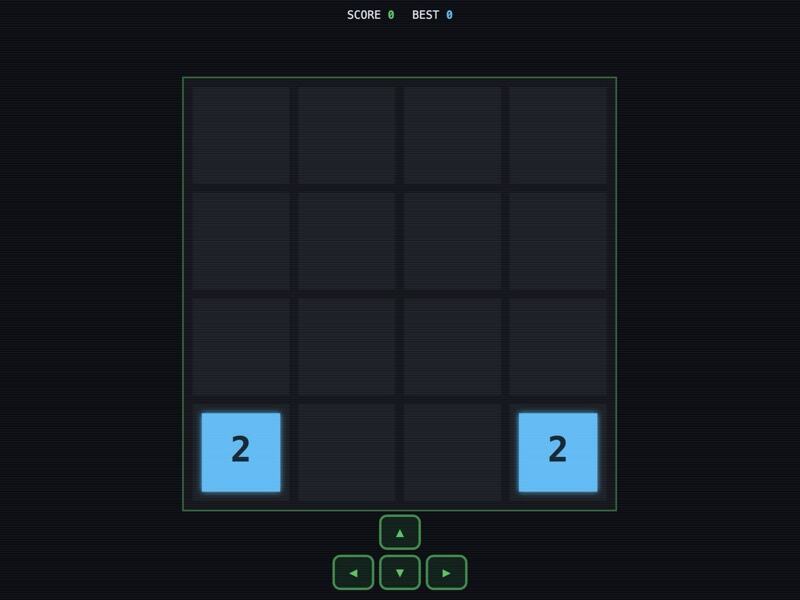
Browse by tag
Frequently asked questions
- What is the difference between match-3 and merge?
- Match-3 clears identical tiles when three or more touch, and the board refills. Merge combines exactly two identical pieces into a single upgraded piece, and the board does not refill on its own. Match-3 is about clearing; merge is about upgrading and managing space.
- Are puzzle games good for you?
- The evidence is mixed and often overstated. What is well supported is narrower: short, rule-based puzzles are an easy way to spend a break without a feed, and the ones without timers do not add stress. Treat the cognitive-training claims sceptically.
- Which puzzle genre is easiest for beginners?
- Bubble shooter. The first levels teach aiming without a clock, and the rules are visible on screen. Match-3 is next; sorting and logic take longer to click because the difficulty is in the order of moves rather than the rules.
- Do these puzzle games need a download or an account?
- No. Every game on this site runs in the browser, needs no install and no account, and is free to play. Puzzle is the largest category here, with 68 of 140 games.
How this was put together
Counts are the number of games carrying each tag in our own catalogue, generated at build time — one game can carry several tags, so the numbers add up to more than the catalogue total. Descriptions are written from playing the builds, not from store copy.
More guides
- Arrow Puzzle Games, Explained: Three Mechanics, One Rule
- Free browser game sites like Arkadium — eight alternatives compared.